.webp)

Summarize this documentation using AI
A loyalty program is a structured system that rewards customers for repeat purchases and engagement, in exchange for the behavioral and preference data that makes future marketing more relevant. At its best it is not a discount scheme; it is a retention engine and a zero-party-data engine at once. The economics are strong: 92.7% of loyalty program owners report positive ROI, at an average return of about 5.3x. But the value is not the points — it is the compounding relationship the points make possible.
Key Takeaways
- A loyalty program rewards repeat behavior with points, tiers, perks, or paid membership, and collects declared data in return.
- The ROI is real: ~92.7% of programs return positive ROI at ~5.3x average, and members generate 12–18% more incremental revenue per year than non-members.
- Repeat purchase compounds: after a first purchase a customer has a ~27% chance of returning; after the second ~49%; after the third over 62%.
- Redemption is the signal: members who redeem rewards spend ~3.1x more than members who don't.
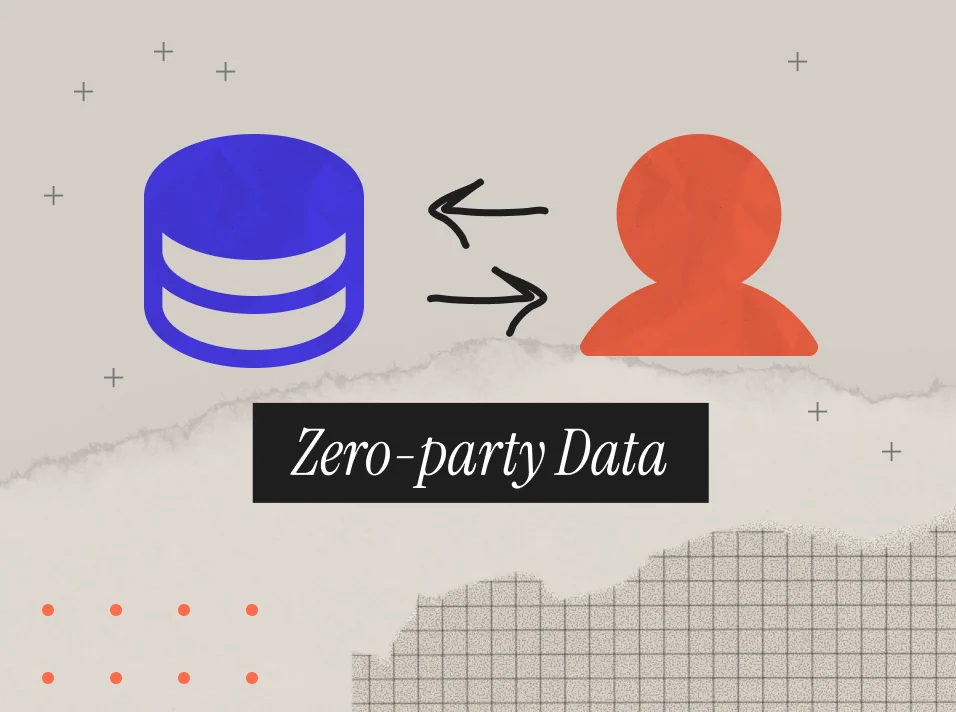
- It is a data play. The best programs earn zero-party data as a byproduct of rewarding customers.
Loyalty Program, Defined
A loyalty program is any structured incentive system designed to increase repeat purchase and long-term retention by rewarding behaviors the brand values: buying again, referring, reviewing, subscribing, or sharing preferences. The mechanic (points, tiers, membership) is secondary to the purpose, which is to make staying more valuable than leaving. Done well, it turns one-time buyers into a growing revenue base and feeds your lifecycle marketing with first-hand data.
The Main Types of Loyalty Programs
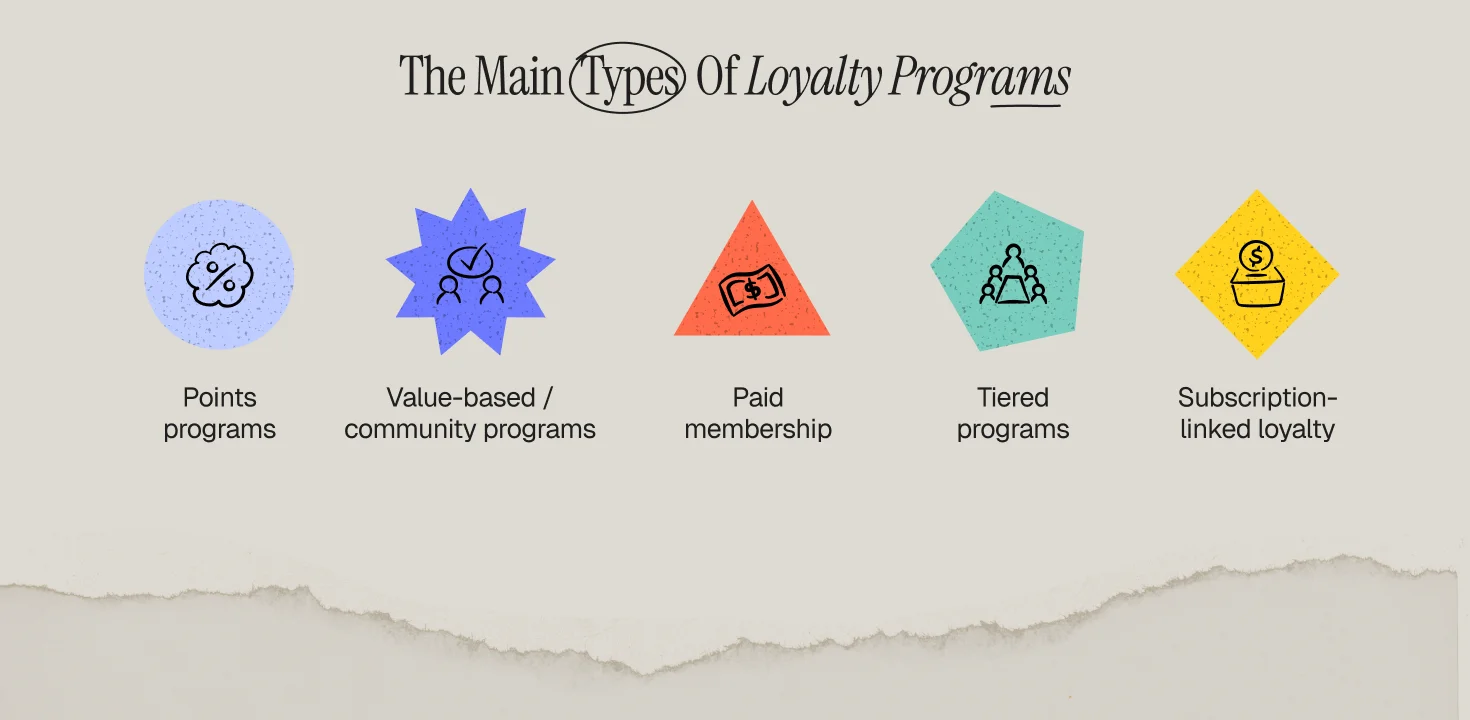
- Points programs. Earn points per dollar, redeem for discounts or products. Simple but easy to over-discount.
- Tiered programs. Status levels unlock escalating perks; status is a durable motivator.
- Paid membership. Customers pay for benefits (e.g. Amazon Prime); the paid commitment itself increases retention.
- Value-based / community programs. Reward engagement, referrals, or shared values. Strong for mission-driven DTC.
- Subscription-linked loyalty. Rewards tied to staying subscribed, reinforcing subscription retention.
Why Loyalty Programs Work (The 2026 Numbers)
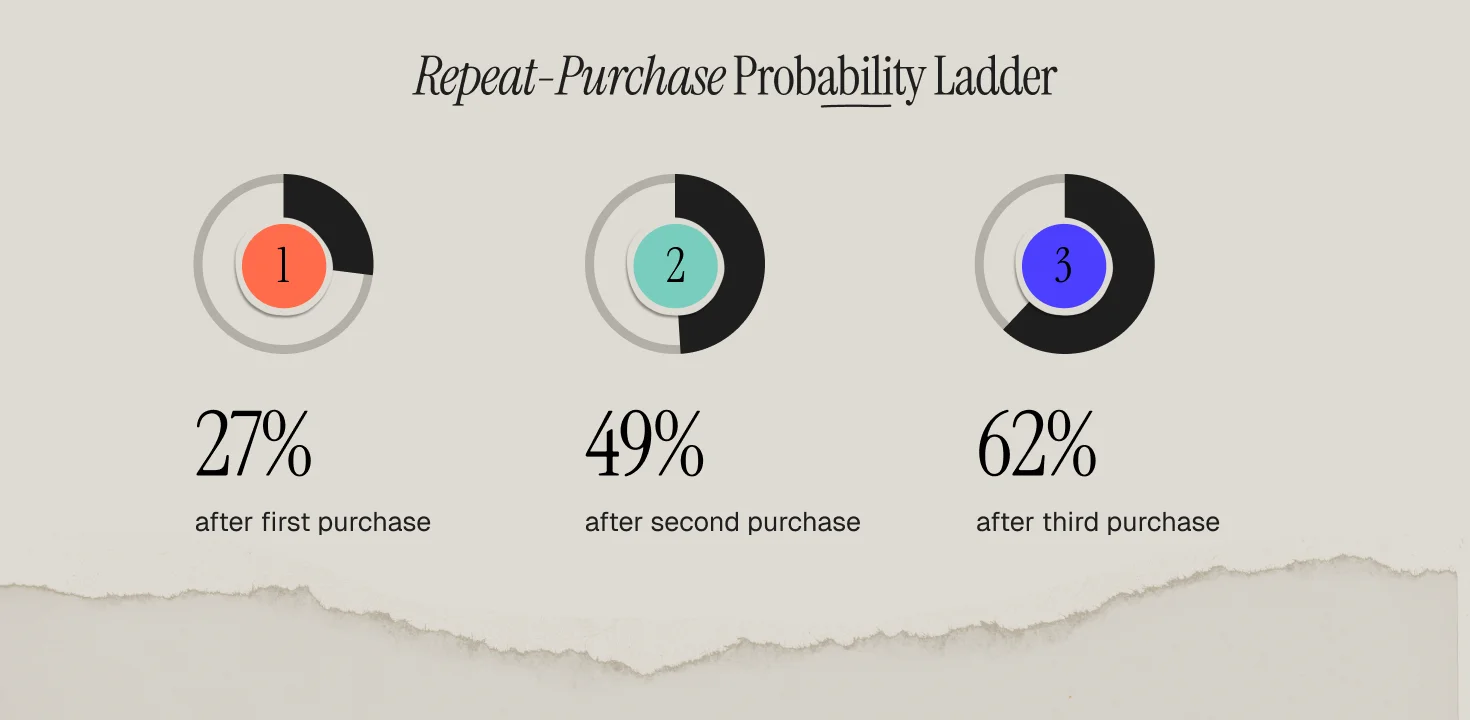
Loyalty works because repeat purchase probability compounds and members behave differently from non-members. After the first purchase a customer has roughly a 27% chance of coming back; that rises to ~49% after the second and past 62% after the third. The payoff shows up in spend: members generate 12–18% more incremental revenue annually, redeemers spend ~3.1x more than non-redeemers, and repeat customers spend about 67% more in months 31–36 than in their first six months. The global loyalty management market is valued at about $17.38B in 2026, projected to reach $32.52B by 2031.
Do Loyalty Programs Work for DTC, Subscription, and Telehealth?
For DTC and subscription brands, yes — provided the program rewards the behavior that predicts retention, not just the next discount. In telehealth and supplements the framing shifts: the reward is often adherence support, refill convenience, or education, not a coupon. A points balance means little if a GLP-1 patient churns in month three for lack of support. Tie loyalty mechanics to the first 30 days and ongoing adherence, and use enrollment to collect goals and preferences. For a model of habit-driven loyalty, see how Duolingo retains customers.
How to Design a Loyalty Program That Actually Retains
- Start from the behavior you want to reward — repeat purchase, continuation, referral, or adherence.
- Make it a data engine. Use enrollment and tiers to collect zero-party data you feed back into flows.
- Model the margin before launch. Points are a liability; set earn/burn so the program lifts contribution margin.
- Segment rewards with behavioral segmentation.
- Measure redemption and incremental lift, not signups, against your core retention metrics.
Frequently Asked Questions
What is a loyalty program in simple terms?
A system that rewards customers for buying again or engaging, in exchange for their continued business and preference data.
What are the main types of loyalty programs?
Points, tiered, paid membership, value/community-based, and subscription-linked.
Do loyalty programs increase revenue?
Yes — members typically generate 12–18% more incremental revenue per year, and ~92.7% of programs report positive ROI at ~5.3x.
Do they work for subscription or telehealth brands?
Yes, when rewards reinforce continuation, adherence, and refills rather than just discounting.
How is it a data strategy?
Enrollment and rewards give customers a reason to share goals and preferences, producing zero-party data.

![Featured image: Top 12 Proven Customer Retention Strategies to Retain Customers at Headspace [Updated in 2025]](https://cdn.prod.website-files.com/69bbf9f7f2a3f75341357ebc/69f4b51dc20f6b3fce7a186b_69c7cef25010387c1387a3b7_698ae47ddc15297aa1f65fd0_67ca9da9e16a4ec3aebc1251_tbb.png)
