Summarize this documentation using AI
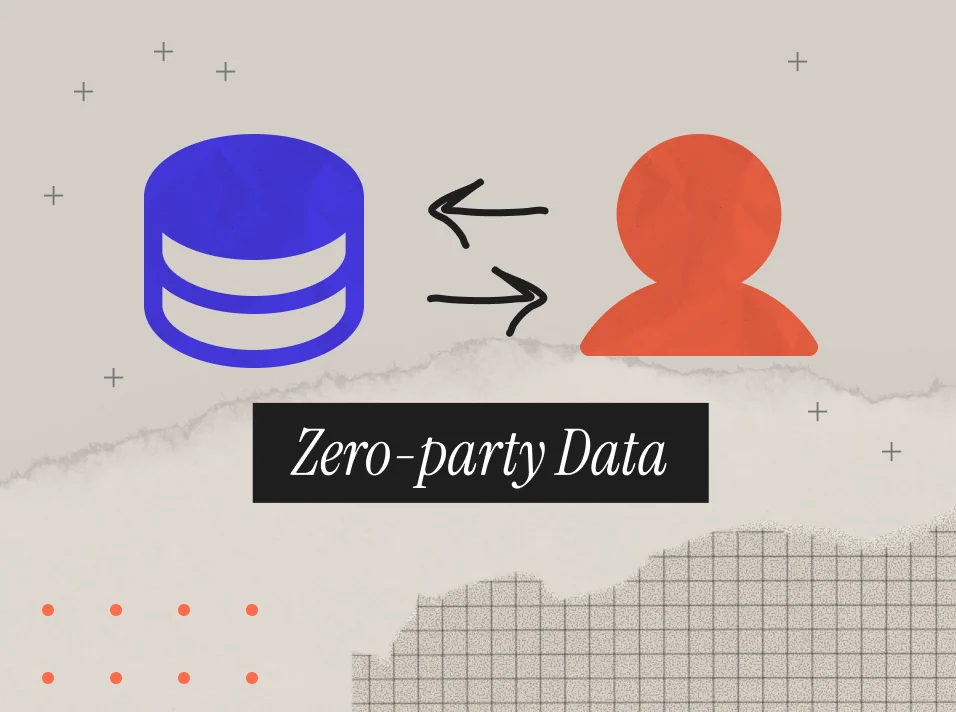
Zero-party data is information a customer intentionally and proactively shares with a brand: their goals, preferences, purchase motivations, and concerns. Unlike data inferred from tracking, zero-party data is volunteered, which makes it the most accurate and the most durable signal a brand owns. The term was popularized by Forrester to describe data a customer chooses to give, in contrast to behavioral data companies collect by watching. In regulated direct-to-consumer categories like telehealth, GLP-1, hormone therapy, and supplements, it is often the only data that explains why a customer started and why they stay.
Key Takeaways
- Zero-party data is declared, not tracked. The customer hands it over on purpose, usually in exchange for a clearer, more relevant experience.
- It is not a cookie replacement. Google confirmed in 2025 it will not deprecate third-party cookies in Chrome, yet zero-party data matters more than ever, because it captures intent no pixel can see.
- Customers will share it when the value is clear. 73% of consumers will share personal data for a clear value exchange and 52% will share it for better product recommendations.
- It builds trust, not just targeting. 48% of consumers trust brands more when they collect zero-party data, even though roughly 8 in 10 are concerned about online privacy.
- In telehealth and supplements, it is the retention engine. Motivation, fear, and goal data only exist if the patient tells you, and that data powers the first 30 days.
Zero-Party Data, Defined
Zero-party data is data a customer intentionally shares with a brand: stated goals, communication preferences, product interests, life context, and the reason behind a purchase. The defining trait is consent and intent. The customer knows they are sharing, chooses to share, and expects something in return. That is what separates it from every other data type, and why EY calls zero-party data "the next frontier in consumer strategy."
Zero-Party vs First-, Second-, and Third-Party Data
The practical difference: first-party data tells you what a customer did; zero-party data tells you why. You can see someone bought a GLP-1 starter kit (first-party). You cannot see they're terrified of nausea in week three unless they tell you (zero-party). Pair zero-party data with behavioral segmentation and you get both.
Why Zero-Party Data Matters in 2026 (It Is Not the Cookie Story)
For three years, zero-party data was sold as the answer to the "cookiepocalypse." That framing aged badly. Google reversed its deprecation plan and third-party cookies remain enabled by default in Chrome. If your only reason to collect zero-party data was the death of cookies, you now have none. That is the wrong conclusion.
Zero-party data matters because intent has never been trackable, cookies or not. In regulated DTC, intent is the whole game. Retention is brutal: roughly 60–70% of DTC subscribers cancel between their first and third order, and in GLP-1 programs up to 57% of patients discontinue within six months without adherence support. You win by knowing, from day zero, what they want and fear, then building around it. That is also why 71% of consumers now expect personalized interactions.
Zero-Party Data Examples
- Onboarding quiz answers: primary goal, experience level, timeline.
- Stated concerns: side-effect worries, past failed attempts, dietary restrictions.
- Preference center selections: email frequency, channel, content topics.
- Post-purchase survey replies: "What made you buy today?" and "What almost stopped you?"
- Reply-to-email responses: a one-question email that invites a direct answer.
- Loyalty/profile enrichment: birthday, cycle timing, replenishment cadence.
Each is a declaration you can act on immediately, and each strengthens your retention email program.
How to Collect Zero-Party Data Without a 12-Field Quiz
- Ask one question at a time, in context. A two-field onboarding quiz that drives the next email beats a 12-field form that dies in a warehouse.
- Make the value obvious. "Answer this and your plan adapts" beats "help us improve."
- Progressively profile. One new data point per interaction across the first 30 days.
- Close the loop visibly. When a customer says they're managing hormonal weight gain, the next message must reflect it.
How to Actually Use It (The Part Most Brands Skip)
Collection is not the goal; activation is. Most brands collect a declaration and never wire a flow to it. Treat zero-party data as the input to a belief arc: onboarding that adapts to the stated goal, week-two education aimed at the declared fear, and a check-in timed to the moment the customer said they would want it. This is the core of lifecycle marketing, and its absence is a top reason lifecycle marketing fails.
Frequently Asked Questions
What is zero-party data in simple terms?
Data a customer chooses to give you on purpose — goals, preferences, reasons for buying — in exchange for a more relevant experience.
What is the difference between zero-party and first-party data?
First-party is observed by the brand (purchases, clicks); zero-party is volunteered by the customer (quiz answers, preferences). First-party = what they did; zero-party = why.
Is zero-party data still relevant now that cookies aren't going away?
Yes. Cookies never captured intent. Zero-party data captures motivation and concerns no tracking can infer.
How do you collect zero-party data?
Onboarding quizzes, preference centers, post-purchase surveys, reply-to-email questions, and progressive profiling, with a clear value exchange.
Why does it matter for telehealth and supplement brands?
The data that predicts adherence (motivation, fear, goal) only exists if the patient declares it. It cannot be inferred from behavior.