

Summarize this documentation using AI
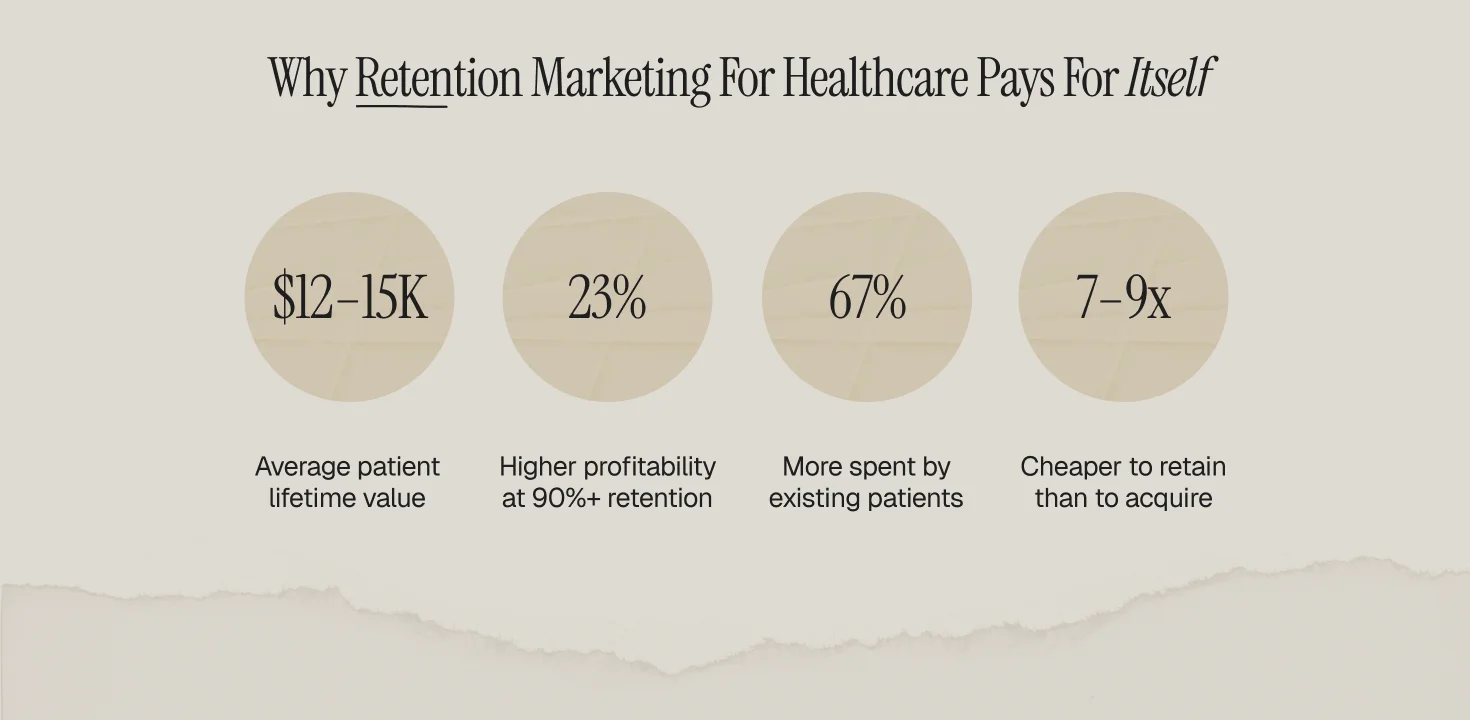
Retention marketing for healthcare brands is the practice of keeping patients and members engaged, adherent, and loyal across their care journey, using lifecycle communication, adherence support, and reactivation, rather than constantly buying new patients to replace the ones who quietly leave. It matters more in healthcare than in almost any other category because the cost gap is enormous: acquiring a new patient runs $247 to $1,435 while retaining an existing one costs just $35 to $85, and the average lifetime value of a patient is $12,000 to $15,000. Every lapsed patient is thousands of dollars walking out the door, yet most practices still spend the majority of their marketing budget chasing new ones.
Key Takeaways
- Retention is far cheaper than acquisition in healthcare. Acquiring a patient costs $247 to $1,435 vs $35 to $85 to retain one, a ratio of roughly 7:1 to 9:1.
- A patient is a five-figure asset. The average patient lifetime value is $12,000 to $15,000, so small retention gains move real revenue.
- Loyalty is fragile. About 36% of patients switched providers within two years, and existing patients spend 67% more and refer 5x more than new ones.
- Retention drives profitability. Practices with retention above 90% see 23% higher profitability, and a 5% retention lift can raise profits 25% to 95% (HBR).
- Adherence is the healthcare-specific twist. In categories like GLP-1, most patients discontinue before the treatment works, making lifecycle support a clinical and commercial necessity.
What Healthcare Retention Marketing Is
Healthcare retention marketing applies the discipline of retention marketing to the patient and member relationship: onboarding a new patient well, keeping them adherent and engaged between visits, orchestrating refills and follow-ups, and reactivating those who lapse. The difference from standard consumer retention is that the "product" only delivers value if the patient stays engaged with their care, and the communication is regulated. It is the same lifecycle logic Propel applies across regulated verticals like telemedicine and online pharmacy, adapted for the stakes of health outcomes.
Why Retention Matters More in Healthcare
The economics are lopsided in healthcare's favor and most brands ignore it. Retaining a patient costs a fraction of acquiring one (a 7:1 to 9:1 ratio depending on specialty), yet the majority of marketing spend still chases new patients. Meanwhile the value of keeping one is high: patients carry a $12,000 to $15,000 lifetime value, existing patients spend 67% more and generate 5x the referrals, and practices above 90% retention are 23% more profitable. The probability math mirrors consumer retention too: an established patient is far more likely to return than a new one is to come back for a second visit. In short, healthcare retention is one of the highest-ROI investments a health brand can make.
The Healthcare-Specific Challenges
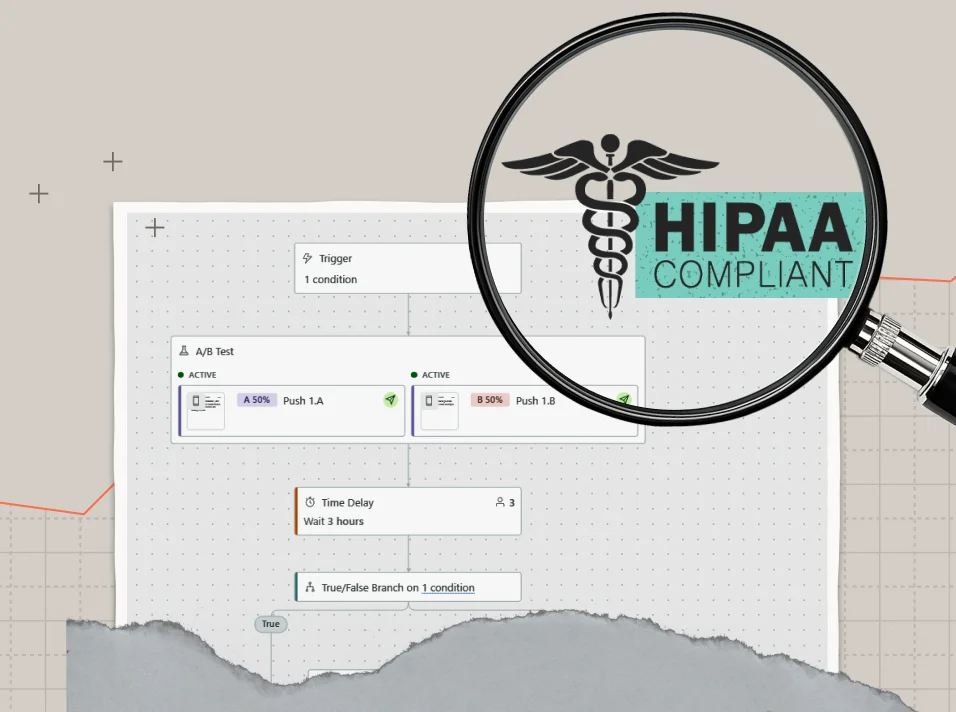
Three things make healthcare retention different. First, adherence: the product only works if the patient stays on their care plan, and in high-churn categories like GLP-1, a majority of patients discontinue before reaching a meaningful benefit. Second, trust and sensitivity: health decisions are high-anxiety, so communication has to build confidence, not just drive transactions, which is why healthcare content marketing is foundational. Third, compliance: patient communication is regulated, so retention programs must be HIPAA-aware and keep protected health information out of marketing channels. These constraints are exactly why healthcare brands need a purpose-built lifecycle system rather than a generic ecommerce playbook.
The Healthcare Retention Lifecycle
The system has four stages. Onboarding sets expectations and gets the patient to first value (their first successful visit, dose, or refill), the highest-leverage window. Adherence support keeps them on plan with reminders, education, and check-ins timed to the care journey rather than a promo calendar. Refill and follow-up orchestration removes the friction that causes involuntary lapse, the same predictive logic that powers healthtech retention. And reactivation brings lapsed patients back through compliant win-back, framed around resuming care rather than a discount. This is the architecture behind Propel's work in telemedicine and pharmacy retention.
Channels and Compliance
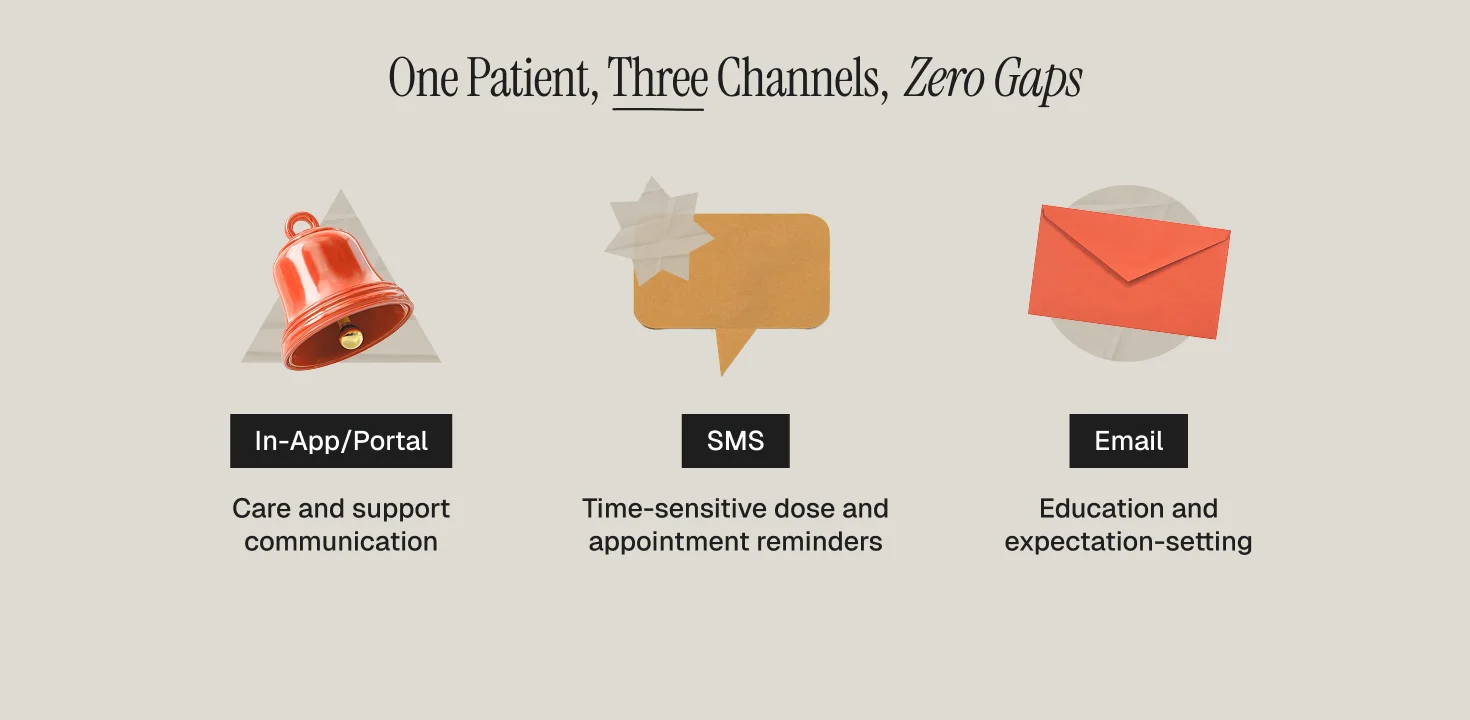
Healthcare retention runs on a blend of channels chosen for the job: email for education and expectation-setting, SMS for time-sensitive dose and appointment reminders, and in-app or portal messaging for care communication, all orchestrated so the patient never gets a gap or a mixed message. Because the content is regulated, compliant healthcare email and HIPAA-aware tooling are non-negotiable, which is why platform choice matters. Done right, the same channels that keep a patient adherent also quietly compound retention and referrals.
Frequently Asked Questions
What is retention marketing for healthcare brands?
The practice of keeping patients engaged, adherent, and loyal across their care journey through onboarding, adherence support, refill orchestration, and compliant reactivation, rather than relying on constant new-patient acquisition.
Why is patient retention more valuable than acquisition?
Because acquiring a patient costs $247 to $1,435 versus $35 to $85 to retain one, and each patient carries a $12,000 to $15,000 lifetime value. Retention protects far more revenue than acquisition adds.
What makes healthcare retention different from ecommerce retention?
Adherence (the treatment only works if the patient stays engaged), trust (health is high-anxiety), and compliance (communication is HIPAA-regulated). Generic ecommerce playbooks do not account for these.
What is a good patient retention rate?
It varies by specialty, but top-performing practices retain 79% to 94% depending on the field, and retention above 90% correlates with materially higher profitability.
Which channels work best for healthcare retention?
A compliant blend: email for education, SMS for time-sensitive reminders, and portal or in-app messaging for care, all HIPAA-aware.

![Featured image: How HealthTech Apps Can Improve Customer Retention in 2025? [Expert Guide]](https://cdn.prod.website-files.com/69bbf9f7f2a3f75341357ebc/69f4b4952b919dd9bd4f1aa9_69c7cebde8051f4e1dd257e4_698ae4536010effb729a65f9_684e6b4fbf7e32c28a8f0eae_Health%25252520Tech%25252520Retention%25252520(1).png)
