.webp)
![25 Best Lifecycle Marketing Strategies - Based on Customer Lifecycle Stages [#2026 Update]](https://cdn.prod.website-files.com/69bbf9f7f2a3f75341357ebc/69f35b7250ddb533f7fcbd90_69c7cea068e818fd4aa3dada_698ae432a7625eb340e9959a_681eed6a6294af707ed5186a_Lifecycle%25252520Marketing%25252520Strategies-min.png)
Summarize this documentation using AI
Key Takeaways
- Customer lifecycle marketing strategies include tactics to engage users from day one, then keep them coming back, spending more, and telling others.
- What is Customer Lifecycle Marketing and Why Does it Matter?
- What Are the Stages of the Customer Lifecycle?
Customer lifecycle marketing strategies include tactics to engage users from day one, then keep them coming back, spending more, and telling others. It’s not a campaign. It’s a system.
Most brands obsess over the first click. Smart brands focus on what happens after.
At Propel, we don’t just talk about lifecycle - we live it.
As a Platinum Customer.io partner, we’ve helped top DTC, e-commerce, and subscription brands scale retention, crush churn, and build revenue engines that run on autopilot.
This guide isn’t theory. It’s the real trial-and-error crux - battle-tested strategies that work across channels, stages, and customer types.
What you'll get:
- The 5 lifecycle marketing strategies we use daily
- Examples tied to behavior, not guesswork
- A simple, repeatable roadmap to grow customer lifetime value
Let’s break down exactly how top brands move users through the lifecycle - from curious to committed.
________________________________________________
What is Customer Lifecycle Marketing and Why Does it Matter?
Customer lifecycle marketing is how brands guide people through the customer journey - from the first touchpoint to repeat purchases and loyalty.
It maps your messaging to each stage:
Reach → Act → Convert → Engage → Retain.
Instead of blasting the same email to everyone, you speak differently to a first-time visitor, a one-time buyer, and a loyal customer.
Each stage gets tailored nudges.
It’s smart, targeted, and designed to build long-term value, not just one-time sales.
________________________________________________
Why Lifecycle Marketing Matters?
Lifecycle marketing has many benefits, but the most crucial aspect - it’s cheaper to retain than acquire.
Getting a new customer costs up to 5x more than keeping one.
(Source: Harvard Business Review)
But most businesses still spend 90% of their budget on acquisition. Lifecycle marketing flips that. It helps you earn more from customers you already have.
Lifecycle marketing drives higher revenue.
Just a 5% increase in retention can boost profits by 25 - 95%.
(Source: Bain and Company)
With personalized lifecycle flows - welcome emails, cart reminders, reactivation nudges - you drive repeat purchases on autopilot.
It improves customer experience. People don’t want more messages. They want better ones. Lifecycle marketing uses real behavior (browsing, buying, dropping off) to send helpful, timely content.
→ Less noise. More value.This leads to better engagement, fewer drop-offs, and higher customer satisfaction.
________________________________________________
Who Needs Customer Lifecycle Marketing?
Wondering whether or not you should hire a lifecycle marketing agency?
Here are industries that need lifeycle marketers:
Ecommerce
Too many cart abandonments? Low repeat rate?
Lifecycle marketing solves both with personalized emails, win-back flows, and loyalty programs.
Example:
→ A skincare brand sends replenishment emails 30 days after purchase - boosting reorders by 20%.
Subscriptions and SaaS
Churn is the enemy. Lifecycle strategies help onboard, activate, and retain users across the entire funnel.
Example:
→ A fitness app sends usage nudges during the first 7 days - cutting month-1 churn in half.
EdTech and Wellness
These industries have long, trust-based journeys. Lifecycle flows guide users from awareness to success - and back again.
Example:
→ An online course sends milestone emails to motivate learners and increase completion rates.
________________________________________________
What Are the Stages of the Customer Lifecycle?
The customer lifecycle has five core stages, each shaping how a person moves from first touch to long-term loyalty:
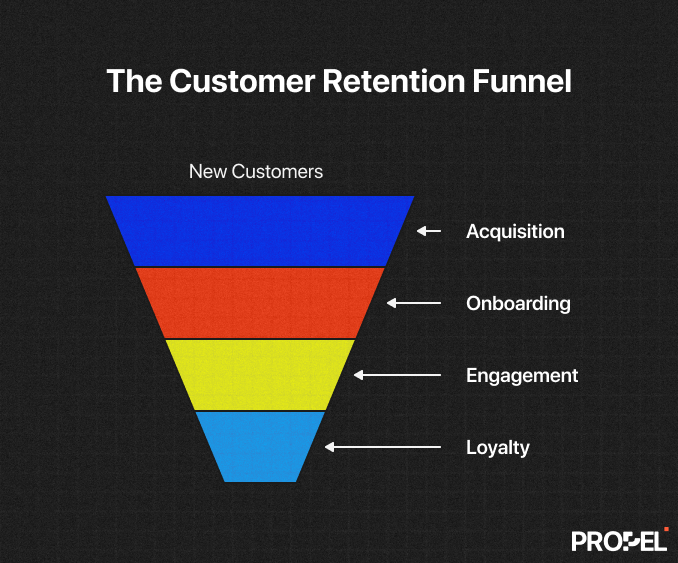
- Awareness - The customer discovers your brand through content, ads, or word of mouth.
- Consideration - They compare options, read reviews, and evaluate your offer.
- Conversion - They make a purchase. UX, CTAs, and pricing all influence this step.
- Retention - You keep them engaged with great service, emails, and loyalty programs.
- Advocacy - They refer others, leave reviews, and create content that promotes you.
Each stage demands tailored lifecycle marketing strategy - as in messaging, timing, and value.
________________________________________________
Awareness Stage Lifecycle Marketing Strategies
Let’s say you run an ad campaign. A lot of people discover your brand. They visit your site, browse a few pages, maybe even sign up for your newsletter. But they haven’t bought anything yet.
This is the start of the customer journey. They’re just realizing they have a need - and you might be the solution.
Your job here? Build brand awareness through content marketing, SEO, and social media outreach. Be visible. Be useful. Be remembered.
1. Focus on Searchable Content
Create high-intent blog posts, product explainers, and landing pages optimized for SEO. Think keywords your customer is Googling before they even know your name. Show up first. Deliver value fast.
Example:
"Looking for what to watch next? Here are the top 10 underrated thrillers streaming now."
2. Invest in Paid Acquisition (Smartly)
Use paid ads - Google, Meta, YouTube - to capture attention early. But don’t just run traffic. Match your creative to the buyer’s pain points. Drive to educational pages, not product pushes.
Example:
"Still falling asleep to YouTube ads? Try 10 minutes of calm instead."
3. Leverage Social Media Outreach
Meet your audience where they scroll. Use Instagram Reels, LinkedIn posts, and TikToks to spark curiosity. Don’t sell - start conversations. Entertain, inform, and build a presence.
Example:
"3 episodes in. It’s 2 AM. You need sleep. But one more won’t hurt, right?"
4. Offer Low-Friction Entry Points
Free resources. Mini-assessments. Quizzes. Newsletter opt-ins. These give value upfront - and move visitors into your ecosystem without asking for a sale.
Example:
"Try your first guided meditation - free. No signup. Just breathe."
5. Use Retargeting from Day One
No one converts on the first click. Set up pixel-based retargeting to stay top of mind. Use content, not discounts, to draw them back.
Example:
"Still thinking about joining? Your personalized workout plan is ready."
________________________________________________
Consideration Stage Lifecycle Marketing Strategies
Now they’re curious. They’ve seen your lifecycle marketing emails, maybe clicked a few. They’re checking out competitors too.
This is the product evaluation phase. The customer is doing deep research. They want proof - not pitches.
This is where you show up with case studies, reviews, and testimonials. Your content should compare options, bust objections, and help them decide - with clarity, not pressure.
6. Use Social Proof to Build Trust
People trust people - not brands. Testimonials and review counts calm doubts and boost confidence.
Example:
"Join 10 million users who learn languages with Duolingo - one lesson at a time."
7. Share Real Customer Stories
Case studies work when they sound like the user. Show outcomes. Make it personal.
Example:
"I started Headspace to sleep better. It became the best part of my day."
8. Run Competitor Comparisons (Subtly)
They’re already comparing you to others. Help them do it faster - without sounding desperate.
Example:
"Unlike free meditation apps, Calm gives you daily structure, not just noise."
9. Simplify the Decision
Too many options confuse. Curated plans or quizzes help users self-select with less effort.
Example:
"Not sure what to watch? Tell us your mood - we’ll build your weekend binge list."
10. Offer a Guided Experience
Hand-holding here builds momentum. Walk them through setup, choices, or even day one.
Example:
"Pick a fitness goal. We’ll handle the workouts, schedule, and playlists." - sounds like Peloton onboarding
________________________________________________
Conversion Stage Lifecycle Marketing Strategies
They’re close. Really close. They’ve added to cart. Hovered over “Buy.” Maybe even dropped off once or twice.
This is where the purchase decision happens. Every detail matters. The price. The CTA. The checkout flow.
One glitch or extra field and it’s gone. Checkout optimization, urgency-driven lifecyce marketing messages, and clean UX can turn decision fatigue into instant action. Remove friction. Add confidence.
11. Eliminate Friction at Checkout
The smoother the flow, the higher the conversion. Cut unnecessary steps. Pre-fill where possible.
Example:
"Start streaming in 30 seconds. No cable, no setup, no hassle."
12. Use Clear, Confident CTAs
Tell them exactly what happens next. Don’t make them guess.
Example:
"Start your 14-day free trial - cancel anytime."
"Unlock premium - get offline access and no ads."
13. Add Timed Nudges or Gentle Urgency
They’ve shown intent. A soft push can drive action - without feeling pushy.
Example:
"Thousands are meditating right now. Your session starts here."
"Complete your signup before midnight and get a bonus ride."
14. Reduce Risk with Guarantees
Money-back or cancel-anytime options ease hesitation and build trust.
Example:
"Try it free. Cancel anytime. No strings attached."
15. Reinforce Value Before Payment
Remind them what they’re getting - not just what they’re paying.
Example:
"One app. Unlimited workouts. Real instructors. Real results."
"All your shows. One place. Zero ads."
Retention Stage Lifecycle Marketing Strategies
They’ve purchased. Nice. But the job isn’t done. If you don’t stay relevant, they won’t come back.
Now you focus on customer loyalty and repeat purchases. Use loyalty programs, timely reorder nudges, and great support.
This is where LTV grows. Follow up with value, not spam. Onboard well. Deliver fast. Listen better. This is the most overlooked revenue channel - and it’s your moat.
16. Nail the Onboarding Experience
The first few days shape long-term usage. Help users get quick wins fast.
Example:
"You're in. Here's your first playlist - tailored to your taste."
"Day 1: Let’s start with a 5-minute breath reset."
17. Stay Relevant with Behavior-Based Nudges
Track usage patterns. Send smart reminders that feel personal, not robotic.
Example:
"Still on episode 3? Your story’s just getting good."
"You missed yesterday’s session - ready to get back on track?"
18. Deliver Unexpected Value
Keep delighting post-purchase with surprise perks, updates, or early access.
Example:
"You're first in line for our new language challenge."
"New meditations drop this week - yours is unlocked early."
19. Make Support a Retention Tool
Fast, human, and proactive support builds loyalty when things go wrong.
Example:
"Noticed an issue with your stream? It’s already fixed. Here’s a free credit on us."
20. Reward Loyalty and Usage
Incentivize habits. Celebrate streaks. Make users feel seen.
Example:
"10 rides in a row? You’ve earned a badge - and a new playlist." "You're on a 14-day streak! Keep it going and unlock a premium feature."
Advocacy Stage Lifecycle Marketing Strategies
They love your product. They’ve had a great experience. Now they tell others. They’ve become loyal customers.
This is brand advocacy in motion. Run referral programs. Highlight user-generated content. Encourage reviews and shoutouts.
Customers who feel seen and rewarded become your most powerful growth engine. Advocacy isn’t luck. It’s built.
21. Launch Rewarding Referral Programs
Make it easy and worth it to share. Incentives should feel personal, not transactional.
Example:
"Love Calm? Invite a friend and both of you get 30 days free."
"Share your Peloton code - your friend saves $100, and so do you."
22. Highlight Superfans Publicly
Turn your users into the face of the brand. Feature them. Celebrate them.
Example:
"Meet Anna - 500 rides in, still going strong."
"Duolingo Hall of Fame: Streak legends who inspire us all."
23. Encourage User-Generated Content
Make it easy to share experiences. Create moments worth posting.
Example:
"Finished your 100th meditation? Tag us and wear it like a badge." - Headspace
"Show us your daily Duolingo setup - coffee, couch, and lessons."
24. Ask for Reviews at the Right Moment
Timing matters. Ask when they’ve had a clear win or breakthrough.
Example:
"Just completed your first course? We'd love your feedback."
"Enjoying your first week ad-free? Leave us a quick review."
25. Turn Advocacy Into Identity
Make being a customer feel like belonging to something bigger.
Example:
"This isn’t just fitness. It’s the Peloton community."
"Duolingo learners worldwide just passed 1 billion lessons - thanks to you."
________________________________________________
Implementing a Successful Lifecycle Marketing Strategy
You don’t need more tools. You need someone who knows how to use them.
That’s where a lifecycle marketing agency comes in. Not to run campaigns - but to build the engine that runs your growth.
Here’s how we implement successful strategies :
Start with a Data Audit - Not a Campaign
Don’t write emails before you clean your data.
An audit finds what’s broken: missing events, misfiring segments, siloed tools.
Example: One client had 30% of purchases untracked in GA4. No wonder their post-purchase flows missed half the audience.
Build the Event Architecture (Not Just Flows)
Every good strategy starts with clean event tracking. We define what matters: viewed product, added to cart, completed onboarding, churn risk.
Then we send these events to your lifecycle tool in real time - Segment → Customer.io → Triggered journey.
Without this foundation? You’re just guessing.
Design with Behavioral Intent, Not Timing
Most “lifecycle strategies” rely on time delays. We don’t. We build based on what users do - or don’t do.
Example: If a user skips setup on Day 1, we send a setup guide. If they finish it? We send a referral prompt instead.
That’s real-time personalization. Built to adapt.
Prioritize High-Impact Flows First
We don’t launch 20 emails. We launch 3 flows that move the needle.
- Onboarding flow: Boosts activation
- Post-purchase flow: Drives second orders
- Winback flow: Recovers churn risk
Each one is tested, measured, and tied to a real metric - like activation %, repeat rate, or 90-day LTV.
Train Your Team to Own It (Or Let Us Run It)
Once it’s live, we hand over clean documentation and dashboards. If your team wants to manage, they can.
If you want ongoing optimization? We stay in the loop - testing, refining, and scaling what works.
Lifecycle isn’t “set and forget.” It’s set, test, and evolve.
Don’t DIY Your Growth Engine
You wouldn’t build your own CRM from scratch. Don’t try to build your lifecycle engine alone. Let's Lifecycle Marketers do what they do.
A lifecycle marketing agency brings playbooks, platforms, and proven systems. They don’t just save time - they prevent months of expensive mistakes.
Want it done right, the first time?
Let Propel build the lifecycle system that adapts with your customers - and scales with your revenue.
________________________________________________
Common Challenges in Lifecycle Marketing and How to Overcome Them?
Even the best lifecycle strategies fail when execution breaks. These are the top challenges brands face - and how we solve them at Propel.
Broken or Missing Data Tracking
You can’t personalize what you can’t track.
Missing or misfiring events block automations from triggering correctly.
What to do:
Audit your data layer. Define key events like “signed up,” “completed onboarding,” or “viewed pricing.”
Use Segment or your CDP to send clean, real-time data into your lifecycle platform.
If these events aren’t tracked, the whole engine stalls.
Why it matters:
Bad tracking = irrelevant messaging = churn.
Static Segments That Don’t Update
Lifecycle segments should shift as behavior changes. Most brands build them once - and never touch them again.
What to do:
Create rule-based, auto-updating segments.
Example: “Has viewed product 3+ times but hasn’t purchased in 7 days.”
This keeps your targeting sharp and relevant - without manual work.
Why it matters:
Stale segments deliver stale results. Dynamic = ROI.
Delayed Flow Triggers
Time kills conversion. If your flow triggers 18 hours late, you’ve already lost the user.
What to do:
Set up real-time flows. For cart abandon, winback, or activation - every minute counts.
Test same-hour vs. next-day triggers.
At Propel, we’ve seen recovery jump 30 - 40% with real-time flows.
Why it matters:
The closer you are to the action, the higher the conversion.
Messaging That Ignores Behavior
Your users aren’t all the same. Stop treating them like they are.
What to do:
Use behavior-based logic.
If someone skips onboarding, don’t send them an upsell.
Send a setup guide instead.
Branch flows based on what users actually do - not just time or list.
Why it matters:
Relevance drives action. Generic gets ignored.
No Ownership of KPIs
When everyone owns retention, no one owns retention.
What to do:
Assign clear KPI ownership - retention rate, LTV, activation rate, time-to-value.
Hire in-house or partner with a dedicated lifecycle agency.
At Propel, we take full ownership of those metrics from day one.
Why it matters:
If no one’s tracking the outcome, don’t expect it to improve.
________________________________________________
Final Takeaway - Lifecycle Marketing Strategies
Lifecycle marketing isn’t a campaign - it’s a system.
Done right, it turns first-time users into long-term revenue. You map behavior. Trigger flows. Test everything. And most importantly - you stay relevant.
The best strategies?
Behavior-first segmentation, fast onboarding, smart winbacks, real-time flows, and loyalty triggers.
This isn’t theory. It’s how brands grow LTV without burning money on acquisition.
Start with a data audit. Fix what’s broken before you build.
Then launch one high-impact flow - onboarding or post-purchase. Make it tight. Make it measurable.
If your team’s stretched, bring in experts. At Propel, we own the stack, the flows, and the KPIs. As Platinum Customer.io partners, we don’t guess - we execute.
→ Want a lifecycle system that runs itself?
Let’s build it.
________________________________________________
🔍Must read for you…
👉 Customer Lifecycle Marketing Strategies
👉 Should I Hire a Lifecycle Marketing Agency
👉 Lifecycle Marketing Agency vs. Retention Marketing Agency
👉 Why Lifecycle Marketing Fails (And How the Right Agency Fixes It)
👉 Best Lifecycle Marketing Agencies for Ecommerce
👉 Best Lifecycle Marketing Agencies for Subscription Businesses
👉 Best Lifecycle Marketing Agencies for Different Business Industries
________________________________________________
Frequently Asked Questions
What are lifecycle marketing strategies?
Lifecycle marketing strategies are structured approaches to engaging customers throughout every stage of their journey - from first touch to repeat purchase and brand advocacy. These strategies use personalized messaging, segmentation, and automation to build relationships and drive long-term customer value.
Why are lifecycle marketing strategies important?
They help businesses move beyond one-time transactions by focusing on retention, engagement, and loyalty. With the right strategy, brands can reduce churn, increase customer lifetime value (CLV), and deliver personalized experiences that boost overall revenue.
What are the key components of a successful lifecycle marketing strategy?
A strong lifecycle marketing strategy includes behavioral segmentation, automated workflows, multi-channel messaging, real-time triggers, and performance tracking. These components ensure each customer receives timely and relevant communication based on their actions and lifecycle stage.
How do lifecycle marketing strategies differ from traditional marketing?
Traditional marketing often prioritizes acquisition, whereas lifecycle marketing focuses on nurturing the entire customer journey. It uses data-driven insights and automation to engage customers at key touchpoints, turning one-time buyers into long-term loyalists.
Which tools are best for implementing lifecycle marketing strategies?
Leading tools include Customer.io, Klaviyo, HubSpot, and Iterable. These platforms offer robust features like dynamic segmentation, A/B testing, triggered automation, and analytics—enabling brands to build, manage, and scale lifecycle strategies with precision.
